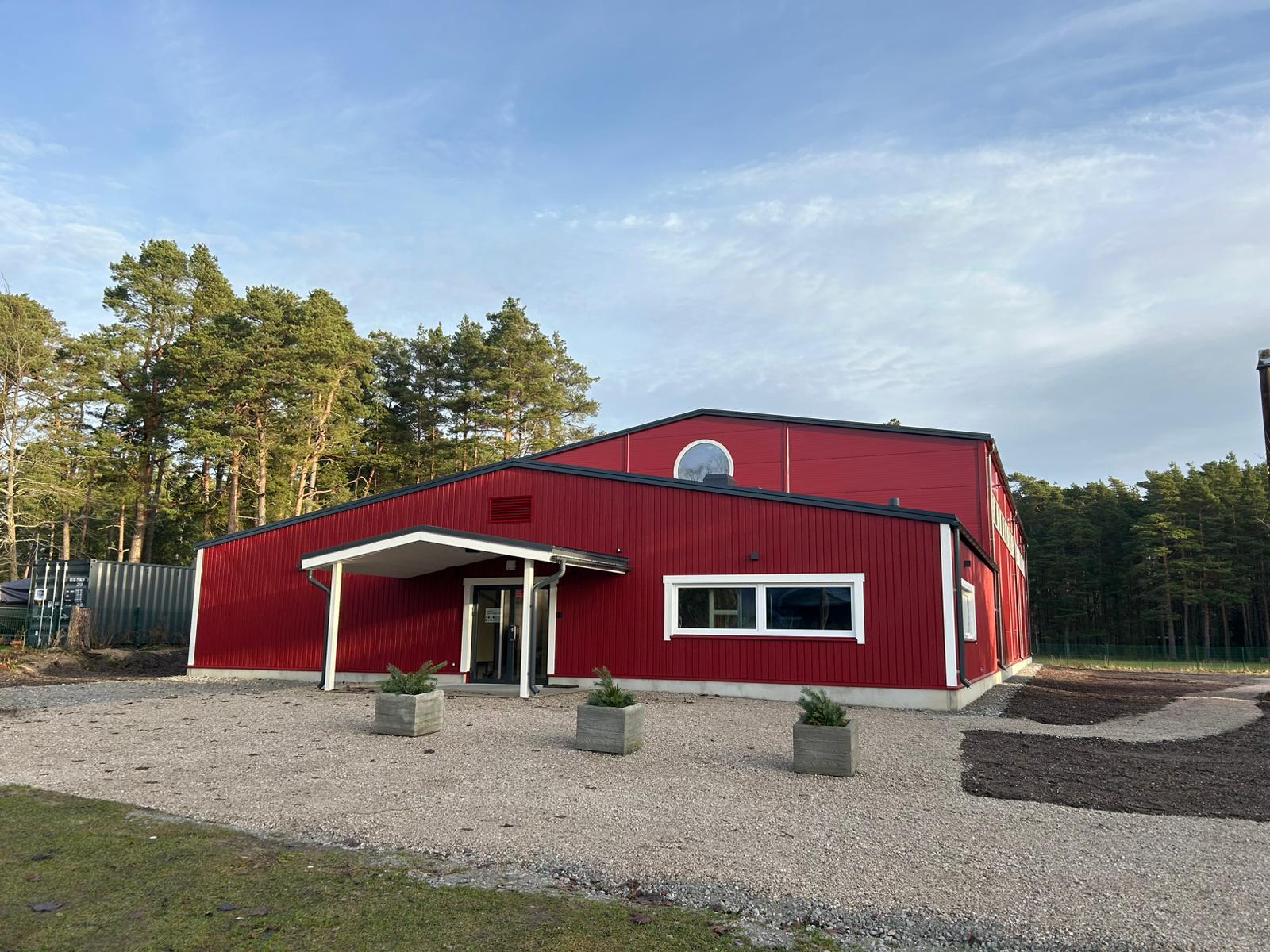
On the small Estonian island of Vormsi, home to about 450 residents, a new sports hall has been built. It features a modern and intelligent heating solution connected to the island’s existing school boiler house, which operates on ground-source heating. The Estonian Islands’ Energy Agency developed the concept and enabled both buildings to be heated by a single system, ensuring smoother, more efficient heating management.
Jaan Mehik, energy consultant at the Islands’ Energy Agency, explained:
“While reviewing the sports hall project, we discovered that its heating system had been planned separately from the nearby school boiler house. However, once we assessed the boiler house’s capacity, it became clear that it could also heat the sports hall.”
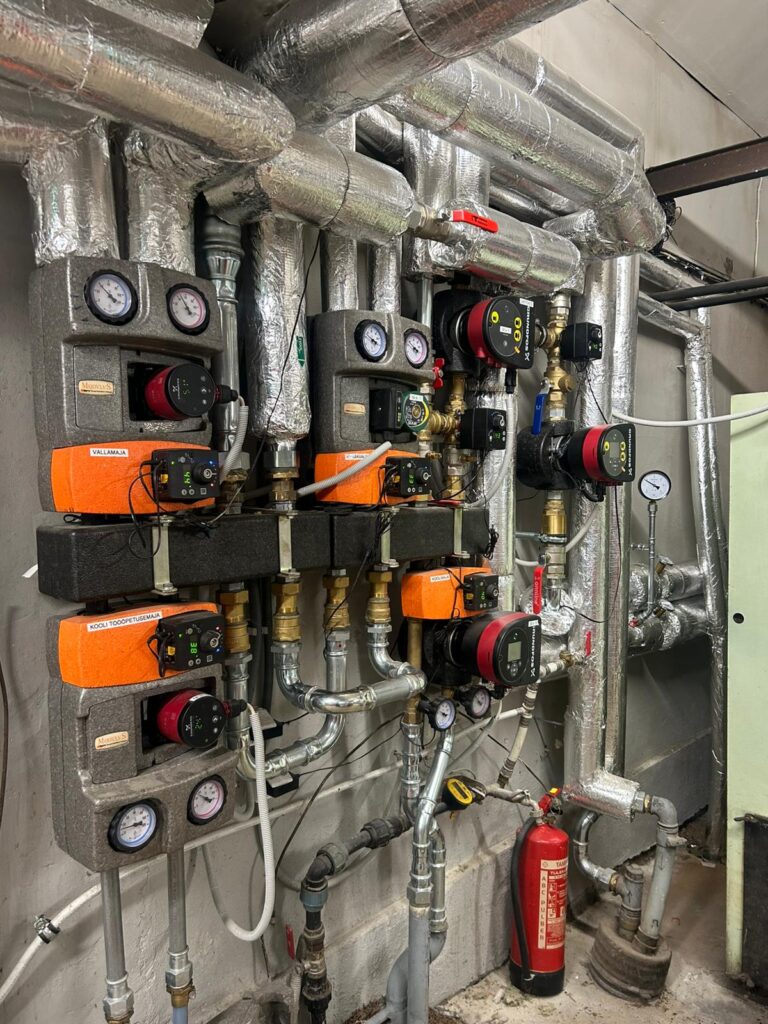
“Originally, the project planned for air-to-water heat pumps to be installed in the sports hall. By connecting the building to the existing boiler house instead, we achieved savings in investment costs as well as improved energy efficiency.”
“In cooperation with the boiler house designer, we verified the technical feasibility of the solution and proposed it to the municipality. The change was approved by both the municipality and the builder, and as a result, the heating of both buildings can now be managed conveniently and efficiently from a single system, reducing heating costs.”
“We’re pleased that we were able to assist—and that construction had not yet begun,” added Mehik.
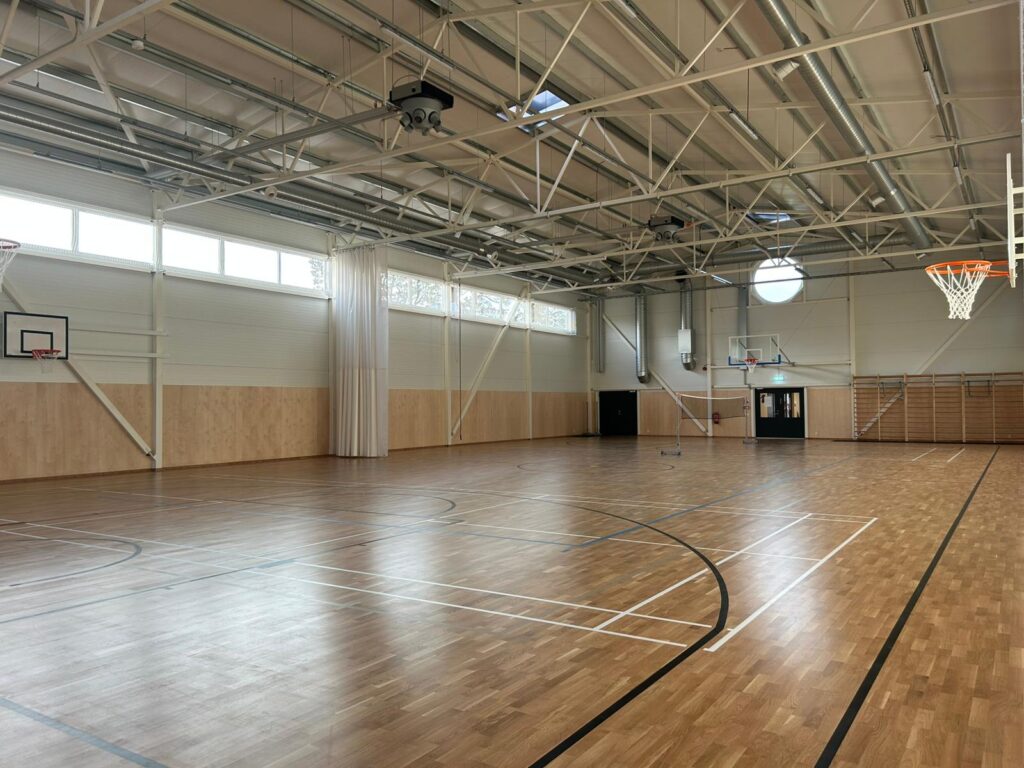
The newly opened sports hall now offers island residents sporting opportunities that were previously unavailable on Vormsi. The facility features a full-size basketball court and can also be used for volleyball, badminton, tennis, and floorball. The building includes a gym and two changing rooms equipped with saunas.
The Estonian Islands’ Energy Agency (EISEA) is a social enterprise operating across the islands of Western Estonia—Saaremaa, Hiiumaa, Muhu, Vormsi, Kihnu, and Ruhnu. The agency’s mission is to support local municipalities, communities, and businesses in implementing projects that promote sustainable energy use and production and help reduce carbon emissions. EISEA’s activities are funded by the European Union’s LIFE programme.
Photos: Kaisa Valm